How to Find an Orthopedic Clinic Near Financial District, Hyderabad
Start with three checks: a registration number you can verify on the NMC Indian Medical Register, a clinic that treats your kind of problem (joints, sports injuries, fractures or arthritis), and a doctor who explains both non-surgical and surgical options. Choose somewhere close enough for follow-ups and physiotherapy. If a bone looks broken or deformed, go to an emergency department first.
If you work or live around Financial District, Nanakramguda or Gachibowli and a knee, shoulder or back problem is not settling, the right first step is an orthopedic consultation you can trust and actually get to. Start with three checks: a registration number you can verify on the NMC Indian Medical Register, a clinic that treats your kind of problem, and a doctor who explains both non-surgical and surgical options. If a bone looks broken or out of shape, go to an emergency department first.
Dr Uday Prakash Reddy (MBBS, MS Orthopedics) is a Senior Consultant Orthopedic Surgeon practising at Continental Hospitals, Financial District, Hyderabad.
Key points
- Check the doctor's name, registration number and medical council on the NMC Indian Medical Register.
- Pick a clinic that regularly treats your problem, whether that is a sports injury, arthritis, a fracture or joint pain.
- Seeing an orthopedic surgeon does not automatically mean surgery. Many problems are managed with physiotherapy, bracing or injections.
- Go to emergency, not a clinic, if you heard a crack, the limb looks deformed, or it is numb, cold or changing colour.
- Choose a clinic close enough for repeat visits, scans and physiotherapy sessions.
What does an orthopedic doctor treat?
An orthopedic doctor (orthopaedic surgeon) diagnoses and treats problems of the bones, joints, ligaments, tendons, muscles and the nerves around them. That includes sports injuries, fractures, arthritis, joint pain and back or neck problems. Treatment can be medicines, physiotherapy, bracing, injections or surgery, depending on the problem.
The American Academy of Orthopaedic Surgeons describes the role in four parts: diagnosis, treatment, rehabilitation and prevention, and notes that seeing an orthopaedic surgeon does not necessarily mean you will need surgery. In practice, a large part of orthopedic care is deciding when an operation is not needed. On Dr Uday Prakash Reddy's site you can read about non-surgical orthopedic treatment as well as surgical options such as knee replacement.
When should you see an orthopedic doctor?
Consider an orthopedic consultation when joint or muscle pain lasts more than about three months, limits how far you can bend or move, affects work or sleep, or follows an injury that is not improving with rest and ice. You do not need to wait for pain to become severe. Earlier assessment often means simpler options.
These are the situations AAOS lists as reasonable reasons to start with an orthopaedic doctor:
- Pain that keeps coming back or has lasted more than three months
- Reduced range of movement in a joint
- Symptoms that get in the way of daily life or work
- Difficulty standing, walking or climbing stairs
- An injury that is not responding to simple measures such as rest and ice
When is it an emergency instead?
Some injuries need emergency care the same day rather than a clinic appointment. The NHS advises going to emergency if you heard a crack at the time of injury, the injured part has changed shape or points at an odd angle, it is numb or tingling, or the skin looks blue, grey or feels cold. An open wound over a possible fracture also needs emergency care. Ask someone else to drive you.
How do you check an orthopedic doctor's registration in India?
Every doctor practising modern medicine in India must be registered with a State Medical Council, and the registration number should appear on prescriptions, the clinic website and posts. You can look the doctor up yourself on the National Medical Commission's Indian Medical Register in a few minutes.
- Note the doctor's full name, registration number and the medical council named on their prescription, website or profile.
- Open the Indian Medical Register search page on the National Medical Commission website.
- Search by name or registration number and check that the council and qualification shown match what the doctor states.
- Look for a postgraduate qualification in orthopaedics, such as MS (Orthopaedics).
- If something does not match, ask the clinic or contact the State Medical Council named on the record. The NMC notes that its data is still being updated.
Dr Uday Prakash Reddy's registration is Reg. No. 57093 with the Andhra Pradesh Medical Council, and it is printed on every page and post from his practice.
What should an orthopedic clinic be able to offer?
Look for a clinic that can examine you properly, arrange the right scan only when it is needed, and connect you with physiotherapy and follow-up. Facilities on-site or nearby make a real difference when a problem needs several visits.
- A doctor who regularly treats your type of problem: sports injuries, arthritis, fractures, shoulder or spine
- X-ray on-site and access to MRI when a scan is genuinely needed
- Physiotherapy on-site or a clear referral, since many orthopedic plans depend on it
- Clear written instructions and a follow-up plan
- Timings that match your work hours, including evening slots if you need them
What questions should you ask at your first visit?
A useful consultation is a two-way conversation. The NHS encourages shared decision making, where your doctor brings the medical evidence and you bring your goals, work and lifestyle. Four short questions help you get there.
| Question to ask | Why it helps |
|---|---|
| What are the benefits of this treatment? | Tells you what change to expect in pain, movement or daily activity. |
| What are the risks? | Helps you weigh side effects, recovery time and time off work. |
| What are the alternatives? | Makes sure non-surgical options such as physiotherapy or bracing are discussed. |
| What happens if I wait or do nothing for now? | Shows whether the decision is urgent or can be taken over a few weeks. |
Does it matter how close the clinic is?
Yes, more than most people expect. Orthopedic care is rarely a single visit. A knee or shoulder problem may need a scan, a review, several weeks of physiotherapy and follow-up checks, so a clinic you can reach easily from work or home in the Financial District, Nanakramguda or Gachibowli area makes it easier to stick with the plan.
practice observation: "Many people who come to see me from the IT offices around Financial District have had knee or back pain for months and kept postponing a visit because of work hours. In most of them the problem is still at a stage where exercises and physiotherapy are the main treatment."
What should you bring to your first orthopedic appointment?
Bring anything that helps the doctor see the full picture quickly. Old scans and reports save repeat tests, and a short note on when the pain started and what makes it worse makes the consultation more useful.
- Previous X-rays, MRI reports and CDs or digital copies
- A list of medicines you take and any allergies
- Notes on when the problem started, what triggers it and what eases it
- Comfortable clothing that lets the doctor examine the joint
- Your questions written down, including the four above
Sources
- National Medical Commission – Indian Medical Register search
- OrthoInfo (AAOS) – What Is an Orthopaedic Surgeon?
- NHS – Sprains and strains (when to get urgent help)
- NHS England – Shared decision making
This article is for general health information only and is not a diagnosis or a substitute for a consultation. Consult a qualified doctor if symptoms persist or get worse.
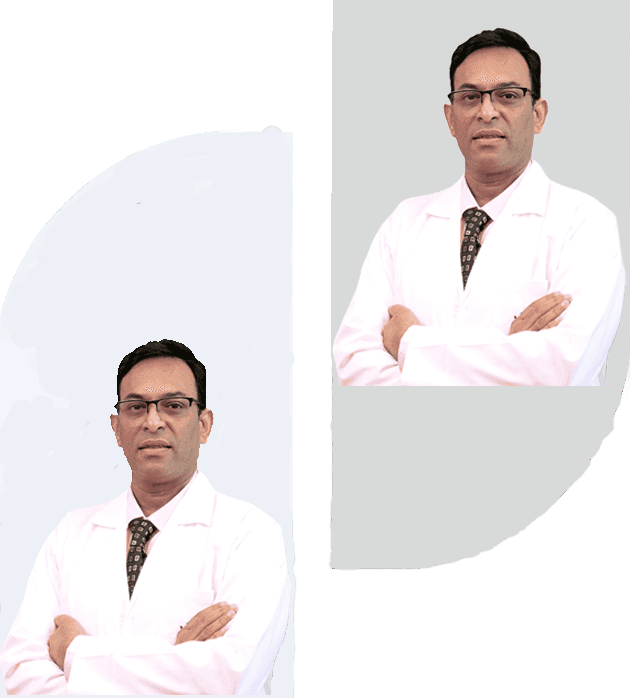
About the Author
Dr. Uday Prakash Reddy
Senior Consultant Orthopedic Surgeon at Continental Hospitals, Hyderabad, with over 24 years of experience in orthopedics, arthroscopy and joint replacement.